
Gambling operators spent $129.6m on kits in England
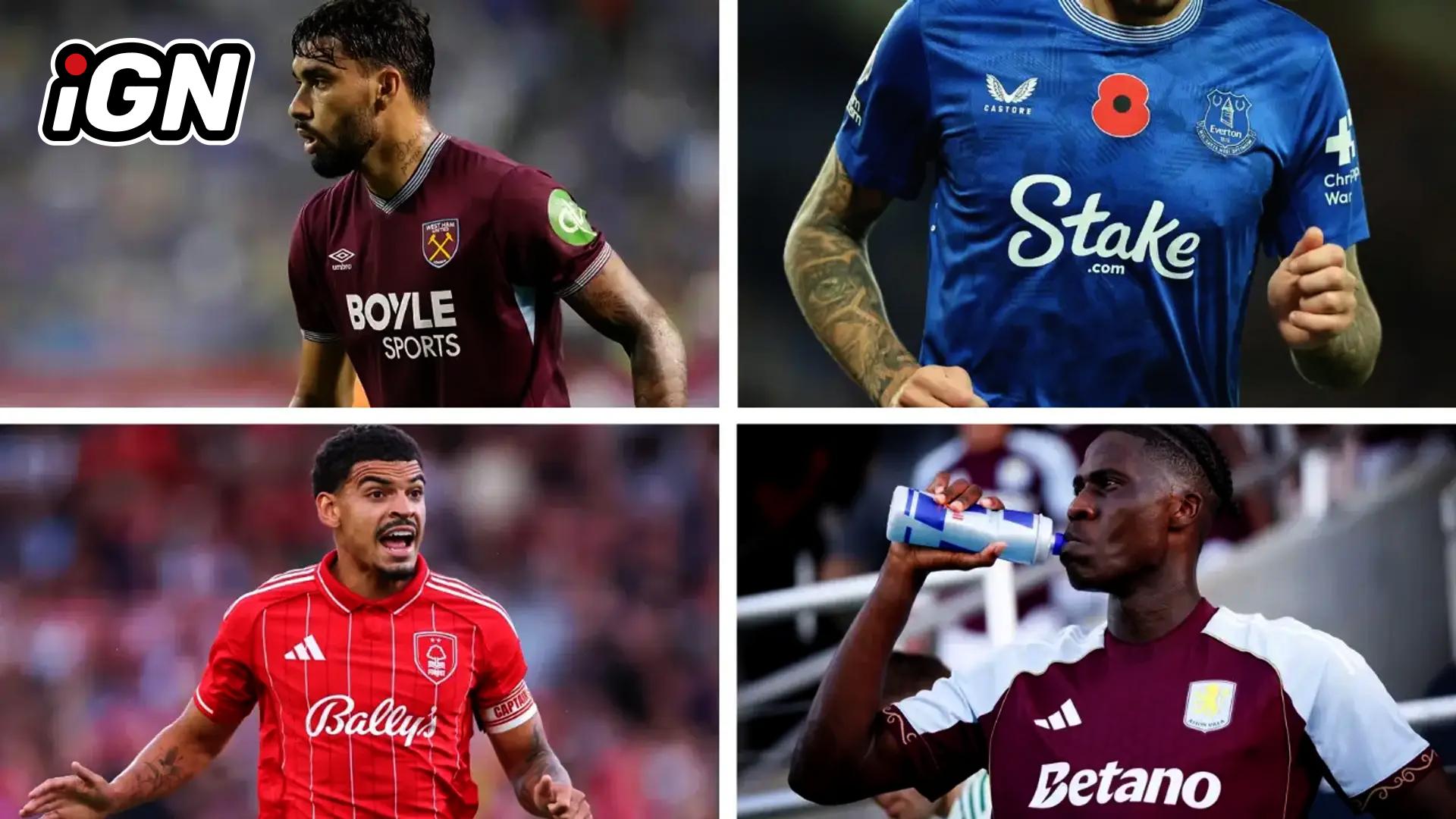
Analyst Paul Quinn published an overview on The ESK examining the current state of gambling sponsorship across the English professional football league system in the 2025/26 season.
The current campaign will be the final one before the Premier League’s voluntary ban on gambling operator logos on the front of match shirts comes into force.
Gambling sponsorship in the 2025/26 season
In the 2025/26 season, 11 out of 20 Premier League clubs have retained or signed new deals with betting companies for front-of-shirt sponsorship.
The total value of the Premier League front-of-shirt sponsorship market is estimated at $525.4m, with $129.6m coming from gambling operators, accounting for approximately 23.3% of the total value.
Contract distribution outside the “Big Six”
Premier League clubs outside the “Big Six” show a far higher level of reliance on betting sponsorship.
These clubs account for 78.6% of all front-of-shirt deals and 72.1% of their combined market value.
For individual clubs, gambling sponsorship represents a significant share of commercial income: Everton / Stake — 38%, Wolverhampton / DEBET — 35%, West Ham / BoyleSports — 32%, and Fulham / SBOTOP — 28%.
New deals and the one-season strategy
During the 2025/26 season, several clubs promoted back to the Premier League entered into short-term agreements with gambling brands.
Sunderland and Burnley signed one-season contracts, aiming to secure maximum sponsorship value before the ban takes effect in 2026.
Alternative brand placement formats
The Premier League ban applies only to the front of match shirts and does not cover other advertising inventory.
Sleeves and training kits
Gambling operators are increasingly shifting their logos to shirt sleeves and training apparel, a strategy already adopted by several clubs.
The value of sleeve sponsorship deals ranges from £500,000 for smaller clubs to £18m for leading teams.
Pitch-side LED boards
The most prominent channel remains pitch-side LED boards.
During the opening weekend of the 2025/26 season, broadcasts recorded 27,440 gambling advertising messages, nearly three times the level seen in the 2023/24 season.
Advertising restrictions during live matches do not apply to stadium LED boards, allowing brands to maintain a high frequency of exposure.
Advertising and operator spending
According to data from the UK Betting and Gaming Council (BGC), British-licensed operators spent $1.57bn on advertising and sponsorship between October 2023 and September 2024.
A significant portion of this spend was directed toward digital channels and sponsorship integrations within sports broadcasts.
English Football League (EFL)
Within the English Football League, which includes the Championship, League One, and League Two, dependence on gambling sponsors is even more pronounced.
Sky Bet title sponsorship
The title sponsorship agreement with Sky Bet is valued at approximately $54.6m per year and is distributed across 72 clubs.
For clubs in the lower divisions, these payments can account for 10–15% of annual turnover.
Gambling brands in the Championship
In the 2025/26 season, 25% of Championship clubs feature gambling operators as their front-of-shirt sponsors.
White label schemes and overseas markets
A significant share of sponsorship deals is structured through white label schemes involving intermediary companies holding UKGC licences.
Brands such as Stake, 96, and DEBET have little direct presence in the UK market and use the global reach of English football to promote their brands in Asia and other regions.
Financial risks for clubs
Without gambling sponsorship, Premier League clubs outside the “Big Six” could lose 20–30% of the value of their commercial contracts.
This creates a risk of breaching financial sustainability rules (PSR) and may lead to forced player sales.
The Premier League’s voluntary ban does not apply to lower divisions and does not affect alternative advertising formats.