


After India’s RMG ban, players move offshore
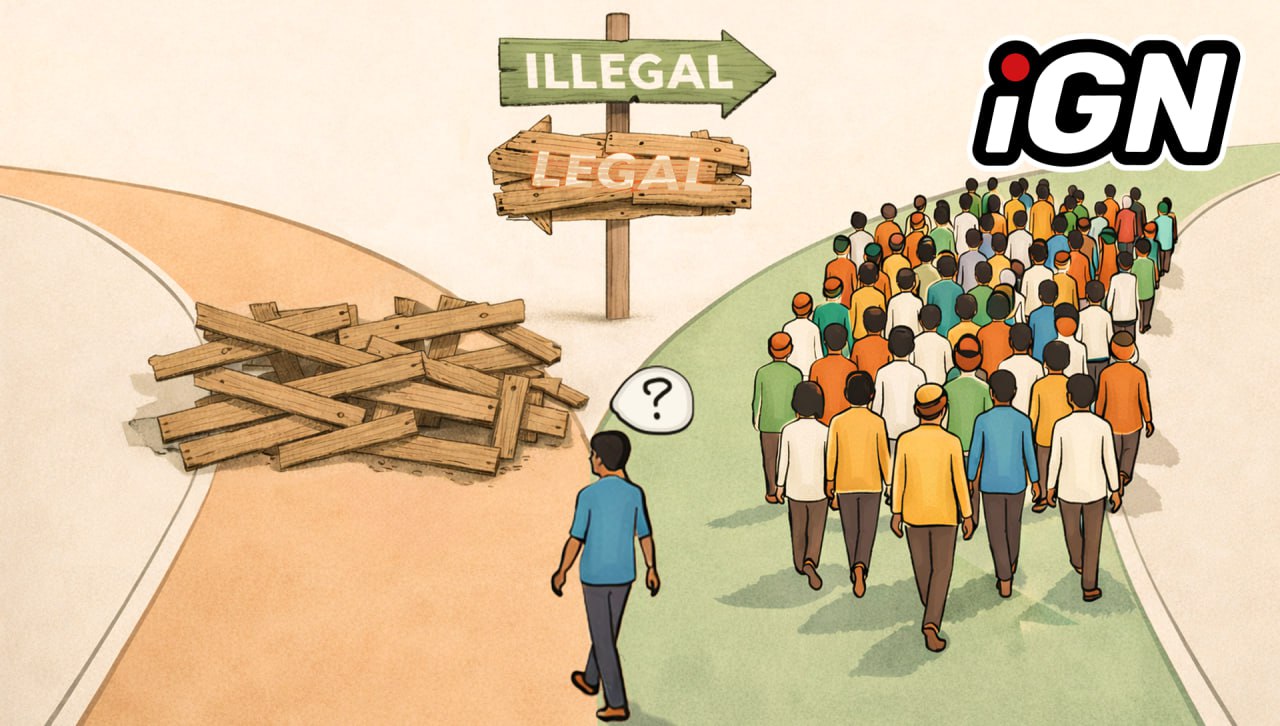
CUTS International: after the ban on RMG in India, up to 92% of users moved to offshore iGaming operators, reports Outlook Business, citing a study by the Indian analytical center.
CUTS International study on the RMG ban
Survey of users in three regions
The study is based on a survey of 3,000 former users of local real-money gaming operators. Analysts examined the situation in three regions: Maharashtra, Tamil Nadu, and Delhi NCR.
The ban on domestic platforms was introduced under the PROG Act, which came into force on October 1, 2025.
Growth in offshore operator share
After the law took effect, the share of users at offshore iGaming operators increased by an average of 18 percentage points.
Regional figures are as follows:
92% — Maharashtra (increase of 25 p.p.);
83% — Tamil Nadu (increase of 14–15 p.p.);
82% — Delhi NCR (increase of 14–15 p.p.).
Changes in player behavior
Growth in daily activity
Before the ban, daily activity on offshore platforms was around 2–3%. After the changes, this figure rose to over 40%.
Length of gaming sessions
The time users spend playing has also increased. More than 40% of players now spend over two hours on the platforms.
Increase in user spending
The study also recorded higher monthly spending on offshore platforms. It cites a figure of more than $271 per month for part of the user base.
Groups with higher activity
Age group 18–24
The fastest growth in spending is observed among users aged 18–24.
Vulnerable user groups
The study notes that younger and lower-income users more often move to offshore platforms and become the most vulnerable group.
How users find offshore platforms
Messaging apps and social channels
According to the study, players discover offshore iGaming operators through channels on Telegram and groups on WhatsApp.
Use of local payment systems
For payments, users continue to rely on India’s local payment system UPI.
Position of CUTS International analysts
Assessment of the ban’s impact
The Director of Research at CUTS International stated that the ban did not reduce the volume of the real-money gaming market but instead pushed players toward unregulated offshore platforms.
Proposal for regulation
The analyst called for a more balanced regulatory approach instead of a full prohibition policy.