


Roskomnadzor to Introduce AI-Based Traffic Filtering
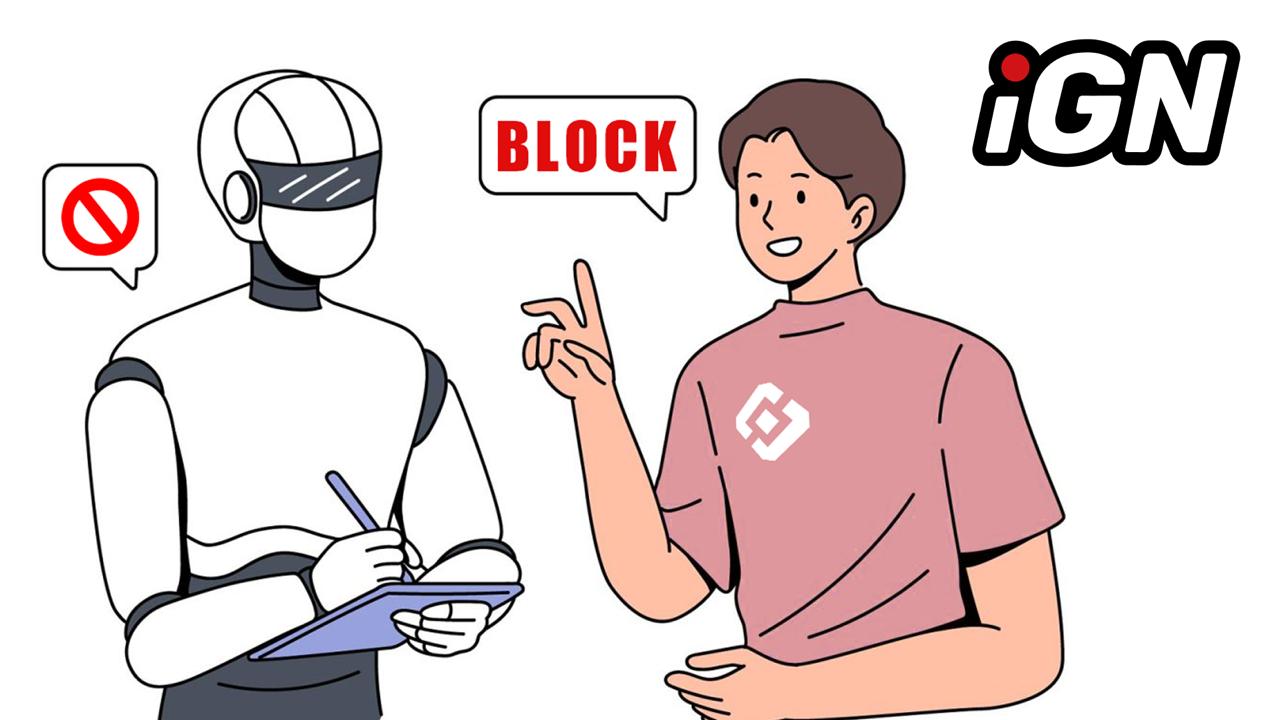
In Russia, Roskomnadzor plans in 2026 to introduce an internet traffic filtering mechanism using machine learning, with ₽2.27 billion allocated to the project.
Internet Traffic Filtering Project
Roskomnadzor (RKN) intends to develop and deploy an internet traffic filtering mechanism based on machine learning tools. Project funding is предусмотрено under the agency’s digital transformation plan.
The document was submitted for review to the government commission on digital development. RKN notes that the new mechanism will become part of the existing system for controlling access to online resources.
Technical Framework for Filtering
Use of TSPU and DPI
Traffic filtering in Russia is carried out using technical means for countering threats (TSPU), which are installed on telecom operators’ networks under the “sovereign internet” law.
TSPU uses DPI (Deep Packet Inspection) technology, which allows access to prohibited resources to be blocked based on the content of data packets. Installation and maintenance of the equipment are handled directly by Roskomnadzor.
Using TSPU, more than 1 million prohibited resources have already been blocked. On average, the system restricts access to around 5,500 new domains and addresses per day.
Register of Prohibited Websites
In addition, RKN maintains a register of prohibited websites, which has been in place since 2012. It includes resources containing child pornography, information about drugs, methods of suicide, online casinos, extremist materials, and other content banned by law.
Telecom operators are required to block access to all websites included in this register.
Role of Machine Learning
Identifying Prohibited Content
According to experts, machine learning tools will allow RKN to more effectively identify prohibited content, including copies and “mirror” versions of blocked websites.
These technologies make it possible to detect resources not only by their URLs, but also by words, phrases, and other indicators.
Restricting VPN Services
Experts also point out that machine learning can be used to identify VPN services and other methods used to bypass blocks.
This includes recognizing encrypted traffic and masking techniques that are not always detected by standard DPI algorithms.
Automated Systems Used by RKN
Roskomnadzor already uses AI technologies to analyze text, audio, and visual content. According to the agency, this has reduced the average time needed to detect prohibited materials to six hours.
RKN’s automated systems process around 0.5 million items per day, with approximately 2,000 violations identified after review.
Solutions in Use
The regulator employs the Oculus system to search for prohibited content in video and audio recordings, as well as Vepr to analyze activity on social networks and in the media.
At the same time, in some projects the effectiveness of neural networks was estimated at around 60%, which, according to RKN representatives, requires significant resources for further model training.