
UK to Raise Online Gambling Tax to 40%
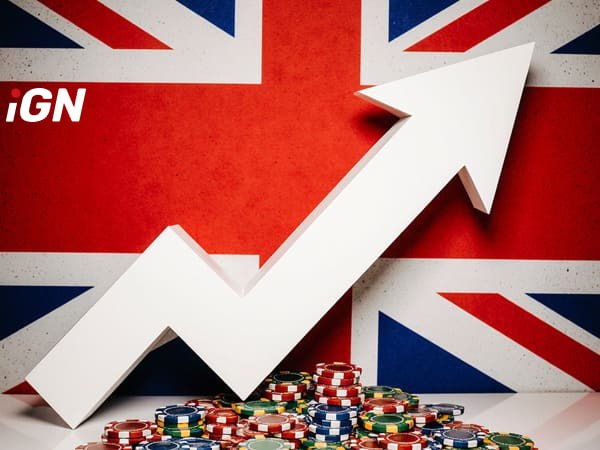
In the UK, the online gambling tax will increase from 21% to 40% from April 2026, with a separate betting duty set at 25% from 2027, report NEXT.io, citing a document from the Office for Budget Responsibility (OBR) that was accidentally published early.
Planned Increase in Online Gaming Taxes
According to the accidentally released OBR document, Chancellor Rachel Reeves is set to announce an increase in the remote gaming duty to 40%, effective from April 2026. Previously, the top rate was expected to be 30-35%, but the new rate will be significantly higher.
Financial Impact of the Changes
The new tax rates are expected to generate an additional £1.1 billion in funding by 2029, most of which, according to NEXT.io, will be used to help close the government’s multibillion-pound budget gap.
Separate Betting Duty
From 2027, a new rate of 25% will be applied to general betting duty, excluding:
- self-service betting terminals;
- pool betting;
- horse racing.
This means horse racing will retain the expected exemption from the gambling tax increase, following a campaign that highlighted the risks to the sport.
Casino Tax Rates
The government also plans to freeze casino gaming duty bands for 2026–2027, with usual annual adjustments based on RPI to follow.
Impact on Operators and Players
The OBR notes: “The behavioural response of market participants to these changes is uncertain, but it is expected to reduce revenue by around one-third. Operators are likely to pass on about 90% of the tax increase to consumers through higher prices or lower payouts, which will reduce demand and lower revenue from this measure by £0.5 billion by 2029–2030.”
Substitution and Product Changes
Other factors considered include:
- potential shift of players to the illegal market;
- substitution between different forms of gambling due to the new differentiated rates;
- operators adjusting their product offerings to minimize tax costs, further reducing revenue by £0.1 billion.
Parliamentary and Media Reaction
The leak was criticized by the Speaker of the House and other MPs, and it attracted wide media attention ahead of the official budget announcement.